A Day in the Life
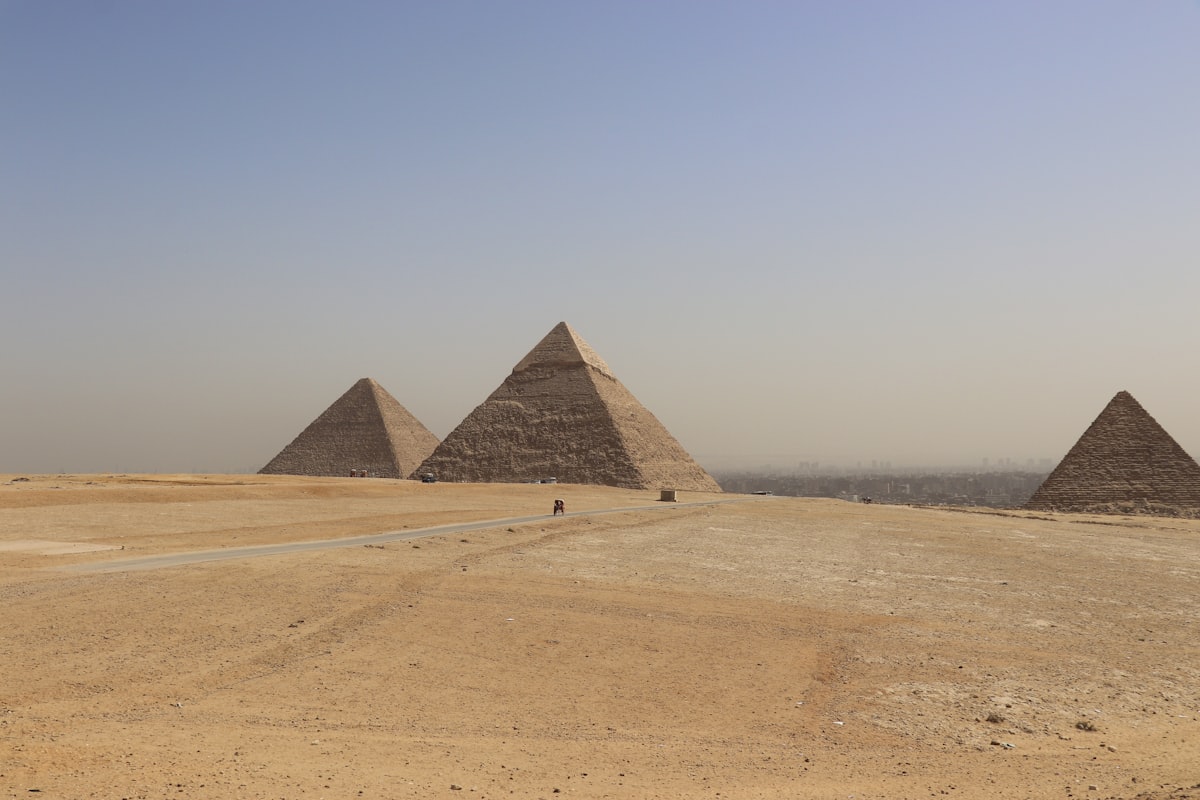
My name is Nour and I am ten years old. I live in Cairo, the biggest city in all of Africa, and I think it is the most alive place in the world. The streets never stop moving. Taxis honk, donkey carts squeeze between buses, and vendors push wooden carts piled high with sweet potatoes and sugarcane.
Every morning my mother heats up ful medames for breakfast. Ful is a thick stew of fava beans cooked slowly for hours with garlic, lemon juice, and olive oil. We scoop it up with pieces of aish baladi, the round flatbread that every Egyptian family eats every single day. My mother says Egyptians have been eating this bread for thousands of years, and I believe her because the bread ovens in our neighborhood look like they are that old too. She also makes ta’ameya, crispy fried patties made from ground fava beans and herbs. They are green inside and crunchy outside. Have you ever eaten something that is green on the inside?
My school is a short walk from our apartment. I go with my older brother Youssef. We cut through a narrow alley where a man sells koshary from a big metal cart, a pile of rice, lentils, macaroni, and chickpeas all mixed together and topped with spicy tomato sauce and crispy fried onions. It costs almost nothing and fills you up for the whole afternoon. Youssef always wants to stop and buy some but we do not have time before the school bell.
After school I help my father in his shop. He sells cotton fabric. Egypt is famous for its cotton, it grows in the fields along the Nile River and it is some of the softest cotton in the world. My father lets me fold the bolts of cloth and arrange them by color on the shelves. The fabric feels smooth and cool in my hands.
On Fridays my father and Youssef go to the mosque for salat al-jumu’ah, the Friday prayers. The mosque near our home has a tall minaret and the inside is covered in tiles with geometric patterns in blue and gold. When they come home, my mother has lunch ready, usually roasted chicken with rice and mulukhiyah, a soup made from chopped green leaves that is slippery and rich. My grandmother says mulukhiyah is the queen of Egyptian food.
In the evenings my family sits on the balcony and watches the city. The Nile River is not far from our building, and sometimes we walk along the bank. The water is dark and wide and the palm trees lean over it. Boats with white sails called feluccas drift by slowly, and the sunset turns everything orange.
What would you think if you saw a river that has been flowing through the same place for thousands and thousands of years?
I am Arab Egyptian. We are the people of the Nile, of warm bread and strong tea, of a civilization that has endured for five thousand years. My grandmother says we carry the river in our blood. I think she is right. We are the Arab Egyptians, and we are loved by God.
Fun Facts
- The Nile River flows through the middle of Cairo and is the longest river in Africa. Arab Egyptian civilization has depended on it for over 5,000 years.
- Aish baladi means “life bread” in Egyptian Arabic, showing just how important bread is to Egyptian families who eat it with nearly every meal.
- Egypt grows a special type of long-fiber cotton called “Egyptian cotton,” which is exported around the world and used in the softest, most expensive sheets and towels.
- Cairo is nicknamed “The City of a Thousand Minarets” because of the hundreds of mosques spread across the city.
- Koshary, the popular street food made of rice, lentils, and pasta, is found nowhere else in the Middle East and is considered Egypt’s national dish.
How to Pray for the Arab Egyptian
- Pray that Egyptian families who eat together, laugh together, and pray together would one day come to know Jesus, the Bread of Life.
- Pray for the small number of believers in Egypt, that they would be bold and that their neighbors would see the love of God through their lives.
- Pray that children like Nour and Youssef would be able to read the New Testament in their own Egyptian Arabic and discover God’s love for them.
How Kids Can Help
- Pray: Every time you eat bread with a meal, remember to pray for Egyptian kids who eat aish baladi every day and have not yet heard about Jesus.
- Learn: Find the Nile River on a map and trace it from south to north. Learn why it flows “upward” on the map and share that with your family.
- Share: Tell a friend about the Arab Egyptian people, their ancient culture along the Nile, and how 67 million of them have not yet had the chance to hear about Jesus.
- Give: Ask your parents about supporting ministries that share the Bible with Arabic-speaking people in Egypt and North Africa.
Scripture to Remember
“And the LORD will make himself known to the Egyptians, and the Egyptians will know the LORD in that day and worship with sacrifice and offering, and they will make vows to the LORD and perform them.” (Isaiah 19:21, ESV)