A Day in the Life
My name is Abdoulaye and I am eleven years old. I am Fulani, and my people are cattle herders. We have been walking with our cattle across West Africa for longer than anyone can count. My father says the Fulani and their cows are like the moon and the stars, you cannot have one without the other.
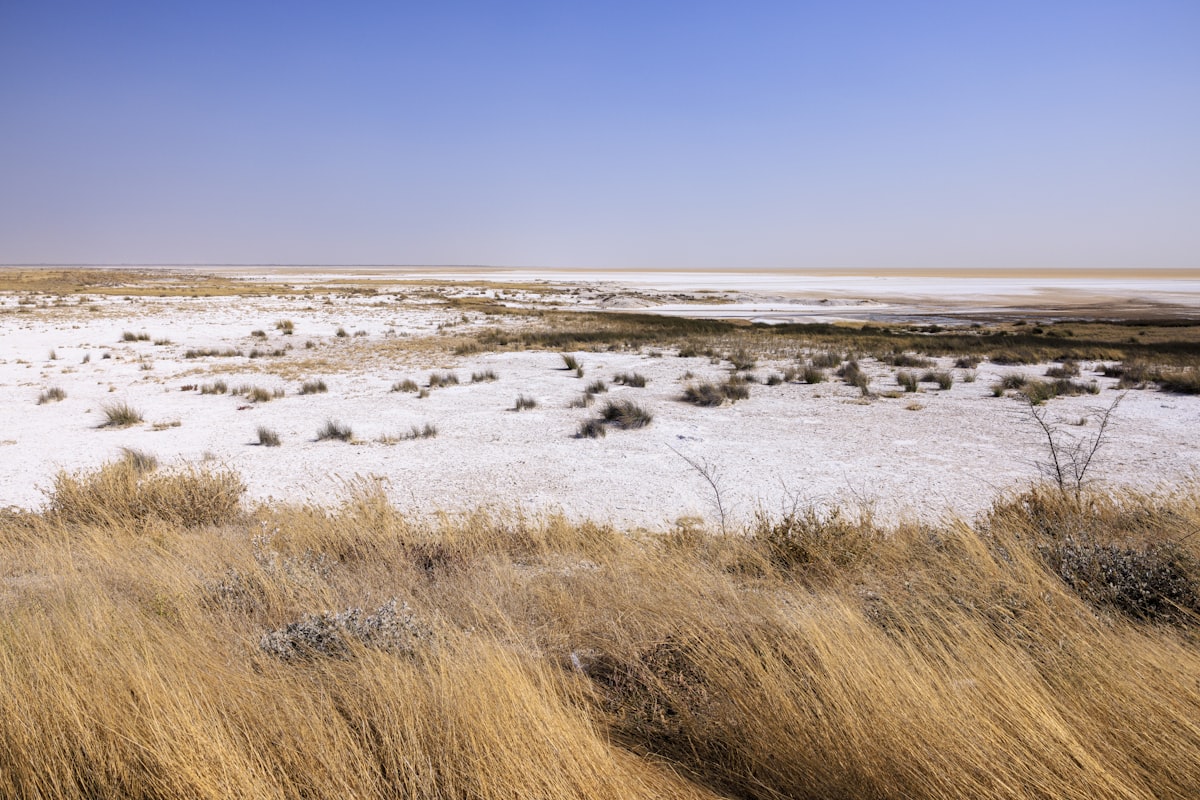
Every morning I wake up before the sun. The air is cool and the grass in the sahel is covered in dew. The sahel is the wide belt of grassland between the Sahara Desert and the green forests of the south. It is dry and golden most of the year, but when the rains come, it turns soft and green and the cattle eat until their bellies are round. I untie our cows from their posts and lead them out to graze. We have forty-two head of cattle and I know every one by the shape of its horns and the pattern of its hide. My favorite is a white cow with a brown patch over one eye. I call her Gurel, which means “one eye” in my language, Fulfulde.
For breakfast my mother makes fura da nono. Fura is a ball of millet flour mixed with ginger, cloves, and pepper, pounded smooth and then crumbled into fresh cow’s milk. The milk is thick and cool and the millet makes it filling. It is the drink of my people, every Fulani child has grown up on fura da nono. We also eat nyiiri, which is a thick millet porridge, with a stew of baobab leaves and dried okra. My mother cooks over a fire made from sticks and dried cow dung, which burns slow and even. Have you ever seen a cooking fire that uses no wood at all?
The Fulani people move with the seasons. When the dry season comes and the grass near our camp is gone, my father packs everything onto the backs of our donkeys and we walk south, sometimes for weeks, following the rain and the green grass. This is called transhumance, the seasonal migration with our herds. My mother carries our cooking pots on her head and my little brothers ride on the donkeys. We sleep under the stars and the cattle stand around us in a circle. I feel safe with them nearby. Their breathing is low and steady in the dark.
My mother has thin, dark lines tattooed on her chin and around her lips. Many Fulani women and girls have these face markings, which are done with a needle and dark ink when they are young. My mother says each design tells something about our family and our clan. She is very beautiful and very proud of her marks.
On Fridays my father prays at the mosque in whatever town we are near. The mosque might be a real building or just a cleared space on the ground with a mat. He kneels facing east and prays five times a day no matter where we are, in camp, on the road, or at a market. He says God hears him everywhere.
In the evenings we sit around the fire and my father plays a one-stringed instrument called a hoddu. The sound is thin and high and mixes with the crackling of the fire. He sings old Fulani songs about the beauty of cattle, the loyalty of friends, and the open road. My mother claps softly and my brothers and I listen until our eyes close.
What sounds do you hear before you fall asleep? I hear cattle and music and the wind across the grass.
I am Fulani. We are the herders and the singers, the people of the open road and the wide sky. My father says the Fulani walk where God leads them. We are the Fulani, and we are loved by God.
Fun Facts
- The Fulani are the largest nomadic pastoral group in the world, with over 40 million people spread across more than 20 countries in West and Central Africa.
- Fulani cattle are a special breed called Zebu, recognized by the large hump on their shoulders. Fulani herders can identify every individual animal in a herd of hundreds by sight.
- Fura da nono (millet ball in fresh milk) is so central to Fulani identity that it is often called “the drink of the Fulani” and is sold at roadsides across West Africa.
- Fulani women are known for elaborate face markings and gold jewelry, including large gold earrings and coins woven into their hair, gold is passed down from mother to daughter.
- The Fulani language, Fulfulde, has a special grammar category just for cattle, there are different noun classes for cows based on their color, horn shape, and age.
How to Pray for the Fulani
- Pray for Fulani families who walk across the sahel with their cattle, that God would meet them on the open road and reveal Himself to them through dreams, stories, and the kindness of believers.
- Pray for Fulani children like Abdoulaye who are growing up across the sahel, that they would have the chance to hear about Jesus in their own Fulfulde language.
- Pray for the translation of the full Bible into Fulfulde dialects, and for audio and oral storytelling formats that honor the Fulani tradition of passing truth through the spoken word.
How Kids Can Help
- Pray: Every time you drink a glass of milk, remember Fulani children who drink fura da nono every day, and pray that they would come to know the Living Water that Jesus offers.
- Learn: Find the Sahel region on a map of Africa, it stretches all the way from Senegal to Sudan. Learn one thing about nomadic life and share it with your class.
- Share: Tell your church about the Fulani people and how they walk across Africa with their cattle, and how very few of them have ever heard the name of Jesus.
- Give: Ask your parents about supporting audio Bible projects or storytelling ministries that reach nomadic peoples like the Fulani who learn best through listening.
Scripture to Remember
“The LORD is my shepherd; I shall not want. He makes me lie down in green pastures. He leads me beside still waters.” (Psalm 23:1-2, ESV)