A Day in the Life
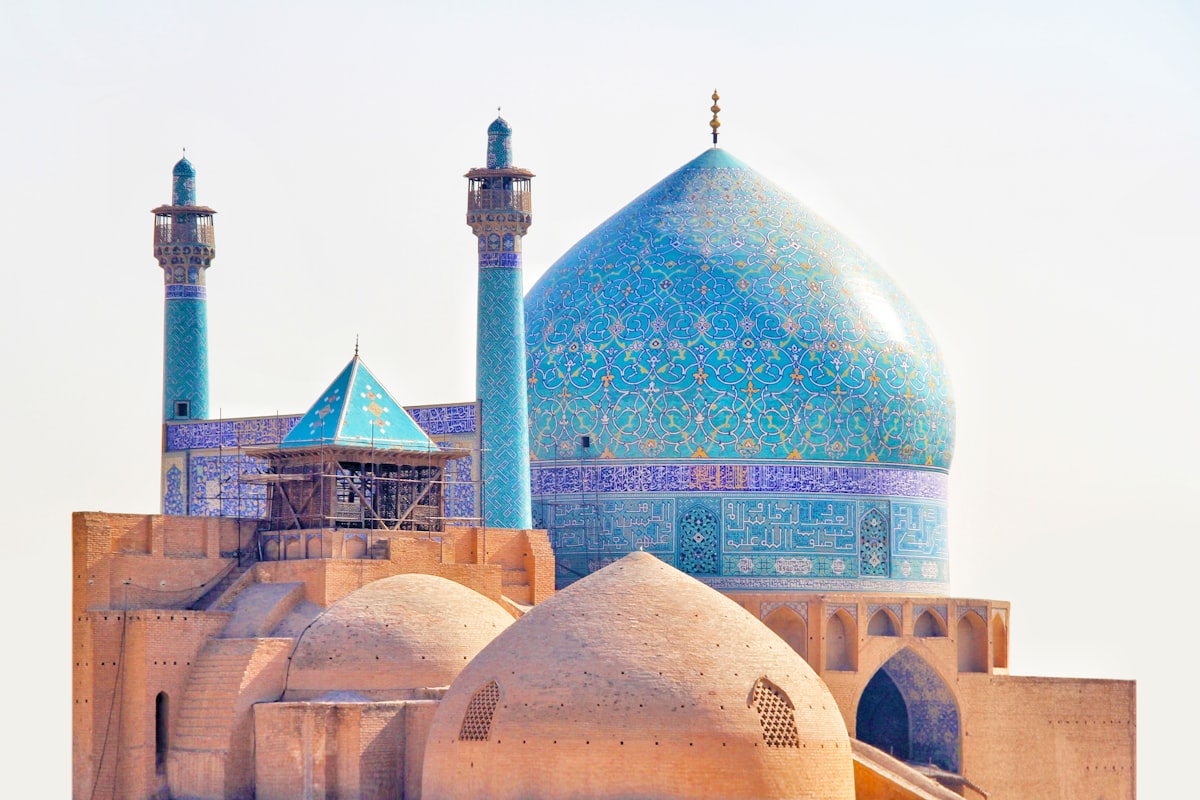
My name is Yasmin and I am eleven years old. I live in a city in Iran, and the first thing I want you to know is that my country is ancient. When people in Europe were still living in wooden huts, Persians were building palaces with carved stone columns and gardens with fountains. I am proud of that history. It belongs to me.
Every morning my mother sets the table with flatbread, white cheese, walnuts, and a glass of hot tea. Iranian tea is dark and strong, served in small glasses shaped like tulips. My mother drops a sugar cube on her tongue and sips the tea through it, that is the old way of drinking tea, and it is the way my grandmother taught her. Breakfast also means cucumbers, sliced tomatoes, and sometimes a spoonful of sour cherry jam that my aunt makes every summer. The jam is so red it looks like melted rubies.
After breakfast I walk to school with my best friend, Maryam. The streets in our neighborhood are lined with plane trees, and in autumn the leaves turn gold and crunch under our shoes. We pass a bakery where the sangak bread is baked on a bed of hot pebbles inside a deep oven. The bread comes out long and bubbly with little stone marks on the bottom. The smell drifts all the way down the block.
The thing I love most about being Persian is our poetry. My grandfather can recite poems by Hafez from memory, long, beautiful verses about love and gardens and searching for truth. He says Hafez wrote these words over 600 years ago, but they still sound like someone is talking to you today. On Thursday evenings, my family gathers in the living room, and my grandfather opens his book of Hafez and reads out loud while my grandmother pours tea. Sometimes my father closes his eyes and nods slowly, like the words are a kind of music. That is my favorite time of the whole week.
On Fridays, our day off, my family sometimes drives out of the city for a picnic. Iranians love picnics more than almost anyone in the world. We spread a big cloth on the grass near a river or under a walnut tree, and my mother unpacks containers of zereshk polo, saffron rice studded with tiny dried barberries that are tart and jewel-red, and roasted chicken. There are bowls of yogurt with cucumber, plates of fresh herbs (mint, basil, tarragon), and a watermelon that my father splits open with one cut. We eat for hours. My little brother runs around chasing grasshoppers and comes back with grass stains on his knees.
Nowruz, the Persian New Year, falls on the first day of spring. We set a special table called haft-sin with seven items that start with the letter “S” in Farsi, things like sprouted wheat, garlic, apples, and vinegar. Each one represents something: new life, health, beauty, patience. The whole country celebrates for thirteen days. On the last day, everyone goes outside for a picnic. Thirteen days of celebration and it ends with a picnic. That is very Iranian.
What does your family do to celebrate the new year? Do you have special foods or traditions?
I am Persian. My people gave the world poetry, gardens, algebra, and a new year that starts with spring. My grandfather says that being Persian means you carry beauty in your words. I believe him.
Fun Facts
- Iran was once called Persia, and the Persian Empire (around 500 BC) was the largest empire the world had ever seen, stretching from Egypt to India, covering three continents.
- Persians invented the qanat, an underground water channel system, over 3,000 years ago. Some qanats are still working today, bringing water from mountains to dry cities across Iran.
- Nowruz (Persian New Year) is celebrated by over 300 million people across Iran, Afghanistan, Tajikistan, and other countries. It always starts on the spring equinox, the exact moment winter turns to spring.
- Saffron, the world’s most expensive spice, is grown in Iran more than anywhere else on Earth. It takes about 75,000 crocus flowers to produce just one pound of saffron threads.
- Persians are famous for their love of picnics. On the thirteenth day of Nowruz (called Sizdah Bedar), the entire country goes outside, parks, riversides, and mountaintops are completely covered with families eating, playing, and celebrating together.
How to Pray for the Persian
- Pray that Persian families who gather on Thursday evenings to read poetry and drink tea would one day read the words of Jesus and feel the same sense of truth and beauty they find in Hafez.
- Pray for the growing number of Persians who are secretly reading the Bible and meeting in small groups, that God would protect them, give them courage, and help them grow in faith.
- Pray that Persian children like Yasmin would hear about the God who made spring, who made saffron, and who knows their name, and that they would want to know Him.
How Kids Can Help
- Pray: This Thursday evening, sit with your family and pray for Persian families who are gathered at that same hour reading poetry and sharing tea, ask God to reveal Himself to them.
- Learn: Look up the haft-sin table and learn what the seven items represent. Share what you find with your family at dinner.
- Share: Tell a friend about the Persian people, many kids do not know that Iran has one of the fastest-growing groups of secret believers in the world.
- Give: Ask your parents about supporting organizations that provide Farsi Bibles and satellite broadcasts that reach Persian families inside Iran.
Scripture to Remember
“Behold, I am doing a new thing; now it springs forth, do you not perceive it? I will make a way in the wilderness and rivers in the desert.” (Isaiah 43:19, ESV)