A Day in the Life
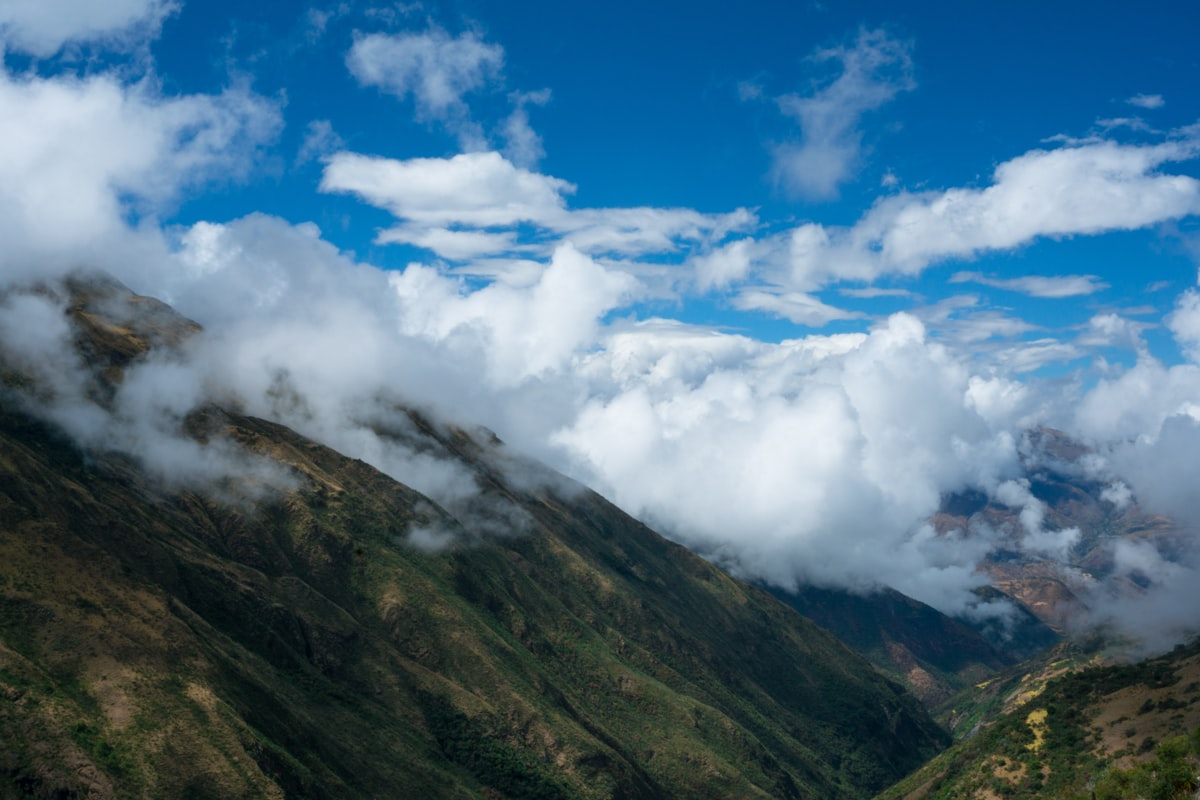
My name is Tupaq and I am ten years old. I live high up in the Andes Mountains of Peru, so high that when clouds come, they do not float above us, they wrap around our village like a cold, white blanket. The air up here is thin and the wind bites your cheeks, but the mountains are the most powerful thing I have ever seen. They have snow on top and green terraces cut into their sides like steps made for giants. My people, the Quechua, built those terraces hundreds of years ago to grow food on the steep slopes. We still use them.
Every morning my mother wakes up before the sun and lights a fire in our clay stove. She boils water for mate de coca, a tea made from coca leaves that helps you breathe better at this altitude. Then she makes soup with potatoes, onions, and dried charki, which is dried llama meat, chewy and salty. Did you know the English word “jerky” actually comes from our Quechua word charki? That is one of the gifts our language gave to the world.
After breakfast I help my father take our llamas and alpacas to graze on the high grasslands. The alpacas have thick, fluffy wool that comes in brown, white, black, and grey. They hum softly when they walk together, a gentle sound like someone humming a lullaby. I have a favorite alpaca named Sunqu, that means “heart” in Quechua. She follows me everywhere and nuzzles my hand when I have barley grain in my pocket.
My mother and grandmother are weavers. They spin wool from our alpacas on a wooden drop spindle, twisting it between their fingers until it becomes a thin, strong thread. Then they weave it into cloth on a backstrap loom, one end tied to a post and the other end strapped around their waist. The cloth comes out in bright reds, oranges, purples, and pinks, with geometric patterns that each mean something. One pattern means mountains. Another means rivers. Another means the eyes of a condor. My grandmother says when you wear a Quechua textile, you are wearing a map of the world as our ancestors understood it.
On feast days, our village gathers in the main square. The men play wooden flutes called quena and drums, and the women dance in wide, spinning skirts. There is always food, roasted cuy (guinea pig, which is a special-occasion food here), boiled potatoes in dozens of varieties (Peru has over 3,000 kinds of potatoes, can you believe that?), and a corn drink called chicha that is thick and sweet. My mother makes papa a la huancaina, boiled yellow potatoes covered in a spicy cheese sauce made with aji peppers. The sauce is bright yellow and creamy and I could eat it every day.
Before the feast, the elders make an offering to Pachamama. Mother Earth. They place coca leaves, flowers, and a bit of food on a cloth and thank the earth for the harvest. My grandmother says we must always give back to the land that feeds us. Many Quechua people mix these old traditions with what they learned from the church. It is complicated, but it is part of who we are.
What foods grow where you live? Do you ever think about where your food comes from?
I am Quechua. We are the children of the mountains, the weavers, the potato farmers, the keepers of an ancient language that was once the voice of the Inca Empire. I carry that with me every day.
Fun Facts
- The Quechua language was the official language of the Inca Empire, which stretched across six modern-day countries. Today, about 8-10 million people across South America still speak Quechua.
- Peru has over 3,000 varieties of potatoes, and the Quechua people developed most of them over thousands of years. They also invented freeze-drying, leaving potatoes on the cold mountain ground overnight, then stomping out the moisture with their feet to make chuño, which lasts for years.
- The condor, a bird sacred to the Quechua, has the largest wingspan of any land bird in the Western Hemisphere, over ten feet from tip to tip. Quechua weavers include condor-eye patterns in their textiles.
- Machu Picchu, the famous Inca city in the clouds, was built using stones cut so precisely that no mortar was needed, the blocks fit together like puzzle pieces and have survived earthquakes for over 500 years.
- The English words “jerky” (from charki), “condor” (from kuntur), and “llama” all come from the Quechua language, so you have been speaking a little Quechua without knowing it.
How to Pray for the Quechua
- Pray that Quechua families who mix ancient earth traditions with Christianity would come to know Jesus personally, not as a distant figure, but as a living God who walks with them on the mountain paths.
- Pray for Quechua children in remote highland villages who have little access to schools and books, that God would provide for their education and bring His Word into their homes.
- Pray that Quechua believers would grow strong in their faith and share the gospel with their families and neighbors in their own Quechua language, not just in Spanish.
How Kids Can Help
- Pray: The next time you eat potatoes at dinner, thank God for the Quechua people who developed thousands of varieties, and pray that they would know the God who provided that harvest.
- Learn: Look up Quechua weaving patterns or pictures of Machu Picchu and share what you learn with your family. Try to find Peru on a map and trace the Andes Mountains.
- Share: Tell a friend that the Quechua people gave us the words “llama” and “jerky”, and that millions of them still need to hear the full story of Jesus in their own language.
- Give: Ask your parents about supporting Bible translation and literacy programs that help Quechua-speaking communities in Peru read God’s Word for themselves.
Scripture to Remember
“I lift up my eyes to the hills. From where does my help come? My help comes from the LORD, who made heaven and earth.” (Psalm 121:1-2, ESV)