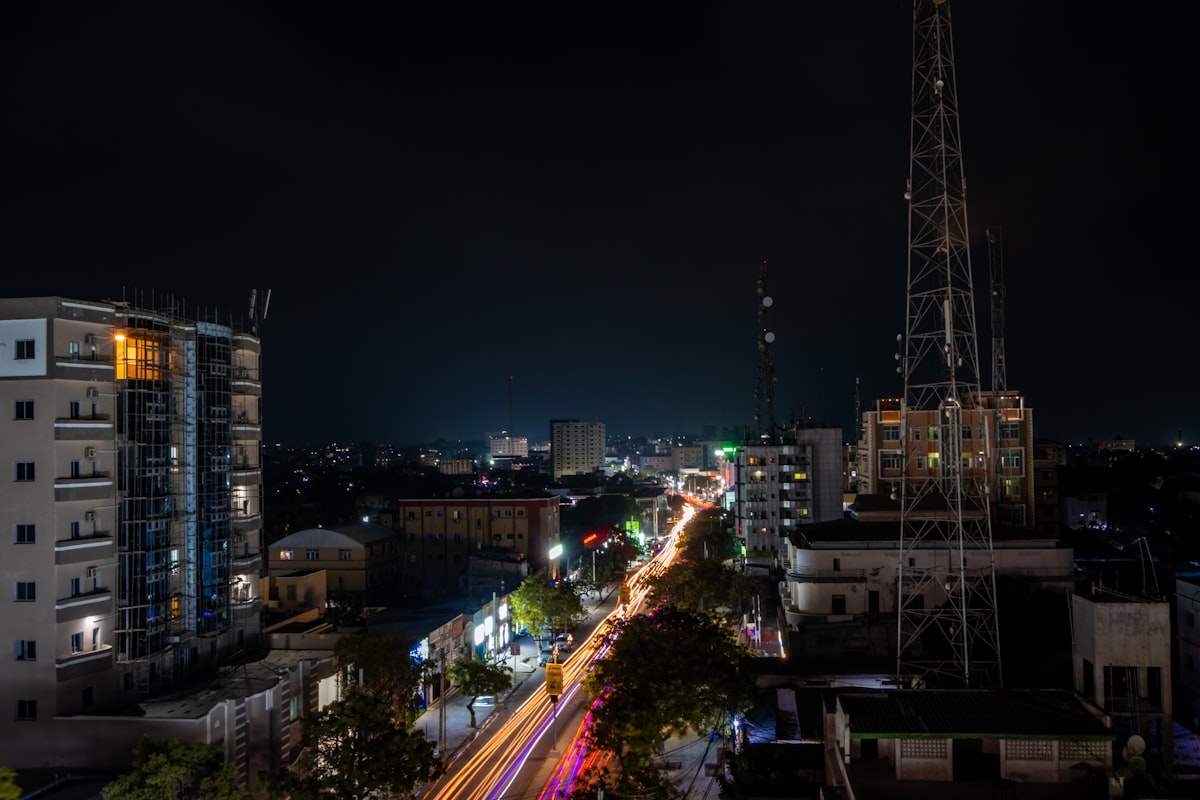
A Day in the Life
My name is Abdirahman and I am eleven years old. I live in Somalia, on the eastern edge of Africa where the land meets the Indian Ocean. The coast near my town is white sand and turquoise water, and the wind off the sea smells like salt and dried fish. My country has the longest coastline in all of mainland Africa, and I am proud of that.
Every morning my mother makes anjeero, which is a spongy, sour flatbread cooked on a flat pan. She pours the batter in a circle and it bubbles as it cooks. We eat it rolled up with sesame oil drizzled on top, or sometimes with sugar and tea. For lunch she makes bariis iskukaris, spiced rice cooked with cumin, cardamom, cinnamon, and raisins, served with goat meat. The kitchen smells like a spice shop when she cooks. My mother says a Somali woman’s cooking is her signature, and nobody makes bariis like she does. She is right.
My father is a trader. He sells frankincense, a golden resin that comes from small, twisted trees that grow in the dry hills outside our town. Workers cut slits in the bark and the resin drips out like thick tears and hardens in the air. People burn it as incense and the smoke smells sweet and woody. Somalia has been exporting frankincense for thousands of years, the ancient Egyptians and Romans used to buy it from Somali traders. Did you know that frankincense was one of the gifts the wise men brought to baby Jesus? It came from a place just like mine.
After school I go with my friends to play near the beach. We chase each other across the sand and dare each other to jump into the waves. The older boys from our neighborhood ride their camels along the shore. Camels are everywhere in Somalia, my uncle has a herd of thirty. He lives outside the city and moves with his camels across the dry plains, looking for water and grazing land. This is the nomadic life that Somali people have lived for centuries. When my uncle visits, he brings camel milk in a woven container. The milk is rich and slightly salty. My mother mixes it with tea.
Somali people love poetry more than almost anything. My grandfather says we are a “nation of poets.” At gatherings, men stand up and recite long poems from memory about bravery, love, or the beauty of the land. Some poems are hundreds of years old, passed down from father to son. My grandfather can recite a poem that lasts for twenty minutes without stopping once. The words rise and fall like music. I am learning some of the shorter poems, and when I get one right, my grandfather puts his hand on my head and says, “Good. You are a real Somali.”
On Fridays everyone goes to the mosque. The men pray together in rows and the imam reads from the Quran. Being Muslim is part of being Somali, it is woven into everything, from how we greet each other to how we name our children.
In the evenings we drink shaah, sweet spiced tea with cloves and ginger, and sit outside while the air cools. The stars come out over the ocean and the waves sound like breathing. What sounds can you hear at night where you live? I hear the ocean and I never want it to stop.
Fun Facts
- Somalia has the longest coastline of any mainland African country, over 1,900 miles of Indian Ocean shoreline stretching from Djibouti to Kenya.
- Somali people have been trading frankincense and myrrh for over 3,500 years, ancient Egyptians called Somalia the “Land of Punt” and sent ships there to buy these precious resins.
- Camels are so important in Somali culture that the Somali language has over 40 different words to describe camels based on their age, color, and behavior.
- The Somali people are often called a “nation of poets” because memorized poetry has been their primary way of preserving history, law, and culture for centuries.
- Anjeero (Somali flatbread) is similar to Ethiopian injera but is made smaller, thinner, and sweeter, every Somali family eats it daily, and no two mothers make it exactly the same way.
How to Pray for the Somali
- Pray for Somali families who gather for tea and poetry in the evenings, that God would open their hearts to hear His Word, which is the greatest poem ever spoken.
- Pray for Somali nomadic herders who move across dry land with their camels, that God would lead them to water and to the Living Water found in Jesus.
- Pray for peace in Somalia, and that Somali children like Abdirahman would grow up safe and have the chance to hear the good news about Jesus.
How Kids Can Help
- Pray: Every time you hear the sound of the ocean, rain, or wind, remember Somali children and pray that they would know the God who made the sea and the stars.
- Learn: Find Somalia on a map and notice its long coastline. Learn one thing about frankincense and share it with your family.
- Share: Tell your church or Sunday school about the Somali people, one of the largest unreached groups in Africa with virtually no known believers.
- Give: Ask your parents about supporting ministries that provide Bibles in the Somali language or serve Somali communities through clean water and education.
Scripture to Remember
“He determines the number of the stars; he gives to all of them their names. Great is our Lord, and abundant in power; his understanding is beyond measure.” (Psalm 147:4-5, ESV)