A Day in the Life
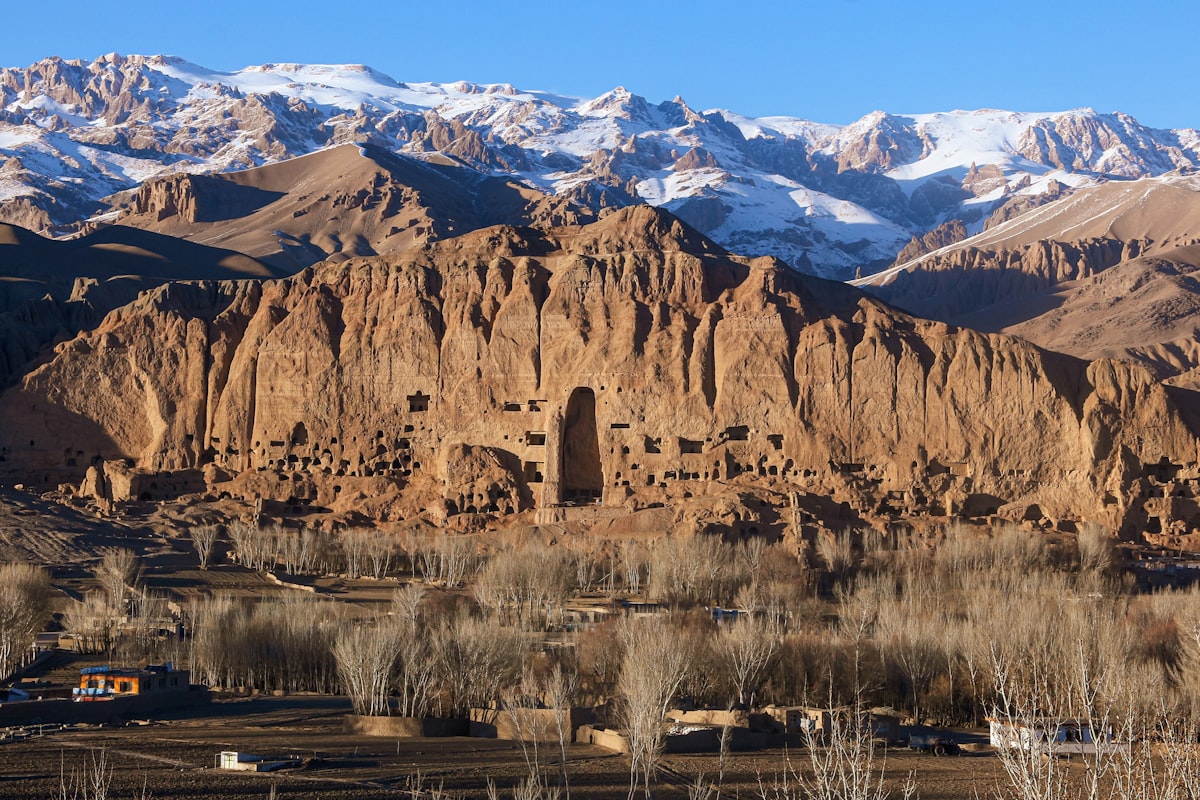
My name is Zarwali and I am ten years old. I live in a village in southern Afghanistan where the mountains stand tall and dry against a sky so blue it almost hurts your eyes. The rocks are brown and red and the dust gets into everything, your shoes, your hair, your food. But this is my home, and I think it is beautiful.
Every morning my mother bakes nan on a clay oven called a tandoor that sits in the courtyard of our family compound. The compound is a group of mud-brick buildings surrounded by a high wall where my grandparents, my uncle’s family, and my family all live together. My mother slaps the dough against the hot inside wall of the tandoor and it puffs up and turns golden with black spots. Fresh nan smells like warmth itself. We eat it with green tea, not black tea with milk like some people drink, but light green tea in small glass cups. My father drops a piece of rock sugar into his cup and stirs it with a spoon.
After breakfast I take our sheep out to graze on the hillside. We have twenty-three sheep and I know each one by sight. The fat one with the torn ear is my favorite. I carry a stick and walk behind them up the rocky path while the morning is still cool. By noon the sun is fierce and I sit under a mulberry tree and eat dried mulberries and almonds from my pocket. The sheep crowd together in the shade and pant. Have you ever been so hot that even the animals wanted to hide?
My father taught me about Pashtunwali, which is the Pashtun code of honor that our people have followed for hundreds and hundreds of years. It has three main ideas: melmastia means hospitality, you must welcome any guest, even a stranger, and give them your best food and your best seat. Nanawatai means giving protection to anyone who asks for it. And badal means standing up for your family’s honor. My father says a Pashtun man is known by how he treats his guests. When visitors come to our home, we slaughter a sheep and roast the meat with rice and raisins and carrots in a big dish called pulao. Everyone sits on cushions on the floor and eats with their right hand.
On Fridays the men go to the mosque in the village center. The mosque is a simple building with whitewashed walls and woven mats on the floor. The mullah reads from the Quran and the men pray together in rows. When my father comes home, the whole family eats together and the afternoon is quiet and slow.
In the evenings my grandfather tells us stories about Pashtun warriors and poets. The Pashtun people love poetry, even farmers and shepherds memorize long poems and recite them at gatherings. My grandfather can recite poems for an hour without stopping. His voice gets low and serious and everyone listens.
What stories do the oldest people in your family tell? I bet they are different from my grandfather’s, but I bet they matter just as much.
Fun Facts
- The Pashtun people are one of the largest tribal groups in the world, with over 14 million Southern Pashtun in Afghanistan alone and millions more in Pakistan.
- Pashtunwali, the Pashtun code of honor, requires that any guest, even a complete stranger, be welcomed, fed, and protected, sometimes at great cost to the host family.
- Afghanistan is one of the world’s largest producers of almonds, pomegranates, and dried fruits, which Pashtun families eat daily and trade at local markets.
- Pashtun men often wear a pakol (round wool hat) or a lungi (turban) and a perahan tunban (long shirt and loose trousers) made from cotton or linen.
- Poetry is deeply woven into Pashtun culture, at community gatherings called jirgas, men often settle disputes using proverbs and poetry rather than arguments.
How to Pray for the Southern Pashtun
- Pray that Pashtun families who value hospitality so deeply would one day welcome the message of Jesus into their homes and hearts.
- Pray for Pashtun children like Zarwali who tend sheep on the mountainsides, that they would come to know Jesus, the Good Shepherd who knows each of His sheep by name.
- Pray for the translation of the Bible into Southern Pashto, so that Pashtun families can read God’s Word in the language they speak at home.
How Kids Can Help
- Pray: Every time you eat bread, remember Zarwali and his family eating nan from the tandoor, and pray that they would learn about the Bread of Life.
- Learn: Find Afghanistan on a map and learn about its mountains and valleys. Share one fact about Pashtun culture with a friend or family member.
- Share: Tell your church about the Southern Pashtun people, with nearly 15 million people, they are one of the largest groups with almost no followers of Jesus.
- Give: Ask your parents about supporting Bible translation into Southern Pashto or ministries that serve Afghan communities.
Scripture to Remember
“I am the good shepherd. I know my own and my own know me.” (John 10:14, ESV)